
Hope and Resilience: What Psychology Can Offer a World in Difficulty
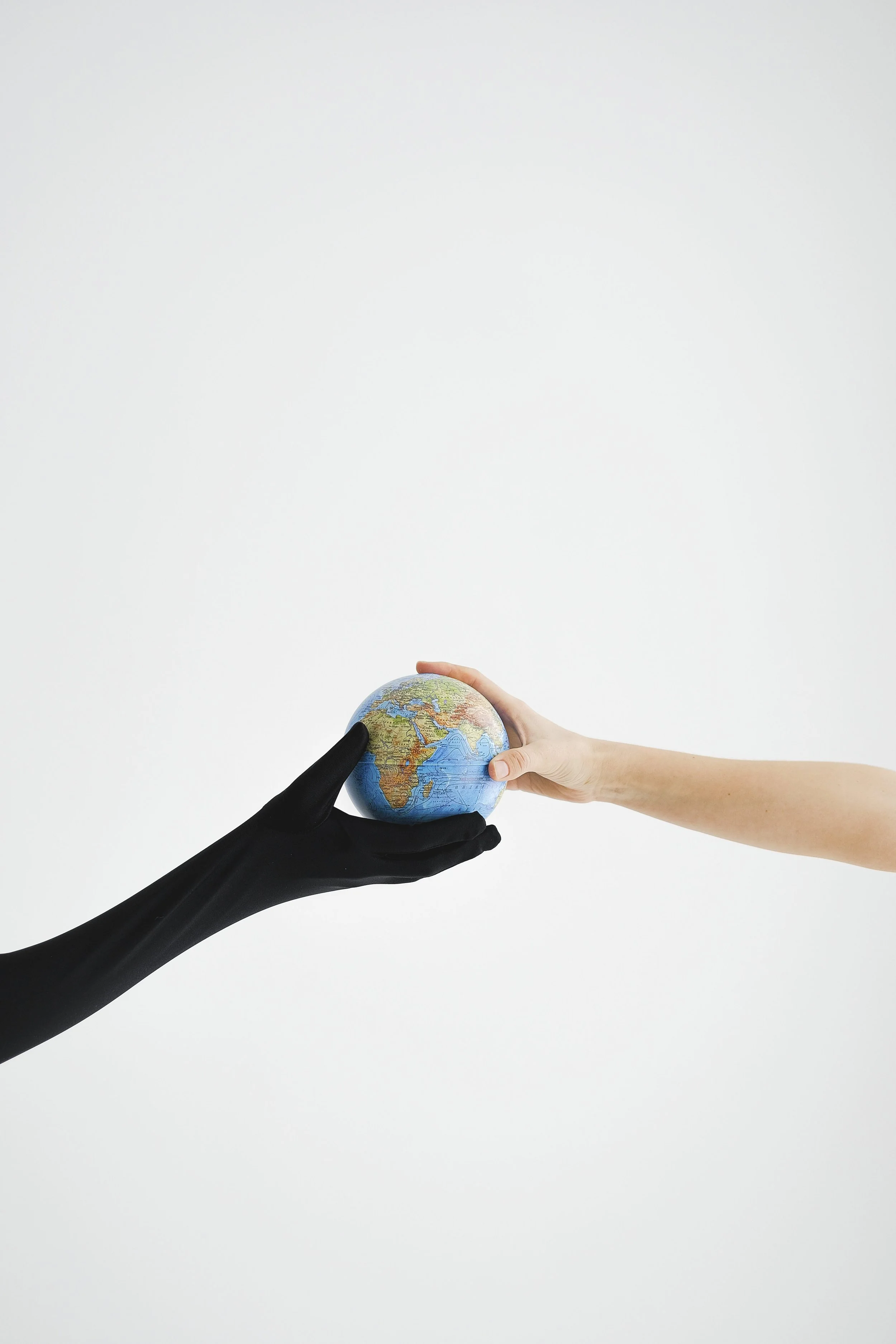
Hope is often treated as a soft word, a pleasant feeling that arrives when things are going well. Psychology tells a different story. Hope is one of the most practical, measurable, and teachable resources people have, and it matters most when circumstances are hardest.
What we mean by hope and resilience
Resilience is the capacity to adapt and keep functioning in the face of adversity, whether that is loss, illness, displacement, financial strain, or the slow weight of a world that feels unstable.
Hope is closely related but distinct. It is not blind optimism. It is action oriented, and in my experience having clear goals and a thriving community can help to build and sustain it. Hope is not a mood we wait for. It is something we build through flexible thinking, and a sense of agency. For clients, this is huge. It is something we can have agency over, taking us out of “victim” mode, towards action and solutions.
Resilience is ordinary, not exceptional
One of the most important findings in the field is that resilience is common. In my experience too, many people who face serious challenges do not develop lasting psychological difficulties. Instead they recover steadily over time. Resilience then is not a rare trait possessed by a few remarkable individuals. It can and does grow out of everyday human systems such as close relationships, community, a sense of purpose at work, and the ability to make sense of what is happening.
While this should be reassuring, I also believe that it shifts the focus. If resilience comes largely from the systems around a person, then building it is not only about helping individuals “toughen up.” It is about strengthening families, schools, workplaces, and communities. And there, there is much work to be done!
What psychology contributes
Psychology offers several things that make a real difference.
First, it offers evidence-based approaches to helping people. Clinical and counselling psychologists can directly help people to overcome trauma, and better manage their thinking and wider lives.
Second, it offers an understanding of what protects us. Social connection, a sense of belonging, purpose, self-compassion, and a feeling of having some control over our lives all consistently appear as protective factors. Knowing this allows us to design services, policies, and organisations that nurture them.
Third, it offers tools for prevention and early support. Programmes in schools, community settings, and workplaces can build emotional skills before crisis hits, and psychological first aid can help people stabilise in the aftermath of disaster or violence.
Fourth, it offers a voice in policy. Psychologists can show decision makers how education, work, community shape wellbeing, and how investing in mental health supports every other area of development.
Hope is a collective effort
Individual resilience matters, but so does the resilience of communities and organisations. People draw strength from shared stories, shared identity, and shared action. When communities face upheaval, those that stay connected and keep working together tend to recover more fully.
This is one reason international collaboration in psychology feels so important right now. Climate anxiety, rapid technological change, conflict, and inequality are not problems any single country or discipline can solve alone. Bringing together psychologists from different cultures and contexts allows us to learn what supports hope in very different circumstances, and to avoid assuming that one cultural model of resilience fits everyone.
What we can each do
Hope can be practised, and a few small habits help:
Set goals that feel meaningful, and break them into steps you can actually take.
Keep your pathways flexible. When one route is blocked, ask what other routes might lead to the same place.
Invest in relationships. Reach out, listen, and let others support you.
Treat yourself with the kindness you would offer a friend, particularly when things go wrong
Look for ways to contribute. Acting on behalf of others is one of the most reliable ways to restore a sense of purpose.
If things feel too heavy to carry alone, seeking professional support is a sign of strength and good judgement, not weakness.
A closing thought
Hope does not deny difficulty. It looks at difficulty clearly and still believes that something better can be built. Psychology cannot remove hardship from the world, but it can help people and communities find their footing, support one another, and keep moving towards a future worth working for. That is a role worth taking seriously, and one I feel privileged to be part of.